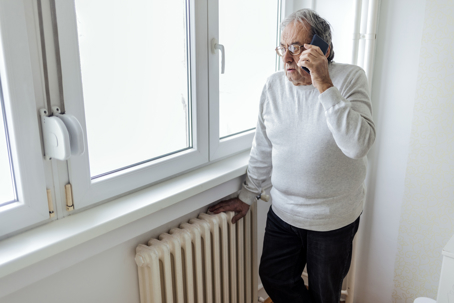
When Baltimore winters kick into high gear, your heating system transforms from a background appliance into your home's most critical lifeline. But what happens when your system starts acting erratically, running for just a few minutes before shutting down, only to kick right back on moments later? This frustrating cycle is known as short-cycling, and it is a clear sign that your system is under severe distress. Before a minor glitch leaves your family shivering in a freezing house, scheduling professional heating repair is the safest way to diagnose the root cause and protect your equipment from permanent structural damage.
5 Reasons Your Heater Is Short-Cycling
Short-cycling forces your equipment to work twice as hard to maintain a comfortable temperature, causing skyrocketing utility bills and unnecessary wear on sensitive mechanical components. In classic Baltimore rowhouses and modern suburban homes alike, five primary culprits usually trigger this disruptive on-and-off cycle.
1. A Restricted or Dirty Airflow System
Your heating unit requires a steady, unobstructed flow of air to safely regulate indoor temperatures. When fiberglass or pleated filters become heavily clogged with household dust, pet dander, and debris, the heat exchanger cannot transfer its warmth efficiently. This traps extreme heat inside the unit, forcing the high-limit safety switch to shut down the system immediately to prevent a fire hazard.
2. A Malfunctioning or Misplaced Thermostat
Your thermostat serves as the central command brain of your home comfort. If its internal sensors fail, or if it is installed too close to a heat source, such as a sunny window or a kitchen appliance, it will read incorrect ambient temperatures. The unit shuts down prematurely because it registers that the room is warm, even if the rest of your home remains freezing cold.
3. An Over-Sized Heating Unit
More power is not always better for residential comfort. If a heating system was improperly sized for your square footage during a past installation, it will blast massive waves of hot air into the living spaces too quickly. The thermostat detects a sudden temperature spike and cuts power before the system can complete a full, uniform heating cycle.
4. A Corroded or Dirty Flame Sensor
The flame sensor is a critical safety rod designed to confirm that an active flame is present when gas is flowing. Over time, carbon deposits can build up on this sensor. If it cannot detect the flame within a few seconds of ignition, it automatically shuts off the fuel supply as a safety measure, causing the heater to shut down immediately after turning on.
5. Obstructed and Blocked Exhaust Flues
Gas furnaces must vent toxic combustion byproducts out of your home through an exhaust flue. If birds' nests, leaves, or debris block this exhaust pipe, built-in draft-safeties will automatically shut off the heating cycle. Keeping these vents clear is critical for keeping your equipment running seamlessly and keeping your indoor air safe.
Restore Your Winter Comfort Today
You don't have to navigate frustrating mechanical failures alone when a sudden cold snap hits. For over five decades, families throughout Essex, Dundalk, and Towson have relied on Albright's Mechanical Services to deliver licensed, certified home comfort solutions when things go wrong. If your home heating system is stuck in a dangerous short-cycling loop, reach out to our dedicated dispatch team at (410) 834-0148 for a rapid, honest diagnosis that will keep your living space safe and warm all winter long.